How to Practice German Speaking at Home (Without a Tutor)
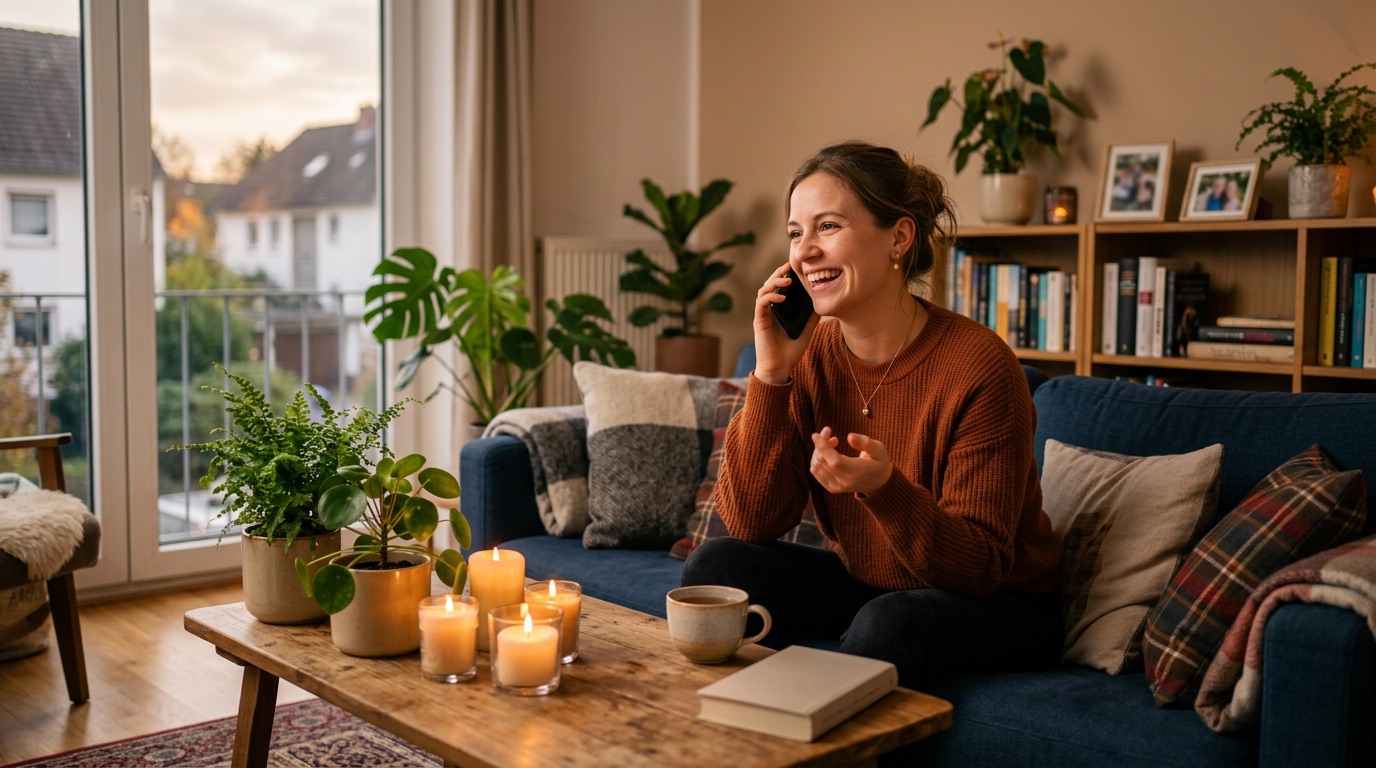
Speaking is the part most learners skip
It is easy to read and tap through an app for months and never say a German word out loud. Then the first real conversation arrives and the mouth will not cooperate. Speaking is a physical skill, and it only improves with reps.
German has a few sounds English does not: the umlauts ä, ö, ü, the soft ch in ich, and the throaty r. None are hard once you know what your mouth is supposed to do — but you have to actually do it, out loud, many times.
Five things you can do today
- Read aloud. Say every German sentence you study out loud, even alone. Silent reading trains your eyes, not your mouth.
- Shadow native audio. Play a native recording and speak a beat behind it, copying the rhythm and the vowel sounds.
- Record yourself. Your phone's voice recorder is a brutal but honest coach — compare your version to the native one.
- Name things out loud. Walk through your home naming objects with their articles: der Spiegel, die Seife, das Bett.
- Talk to yourself. Narrate small actions: Ich trinke Kaffee (I'm drinking coffee).
Where an app helps — and where it doesn't
Speech-recognition feedback is genuinely useful for one thing: telling you instantly whether your word was clear enough to be understood, hundreds of times, without a human getting bored. That is hard to replicate alone.
Be honest about the limits, though. An app checks single words and short phrases; it will not fix the melody of a long German sentence, and it is no substitute for a real conversation. Use it to build confidence and clean up sounds, then take that into real talk.
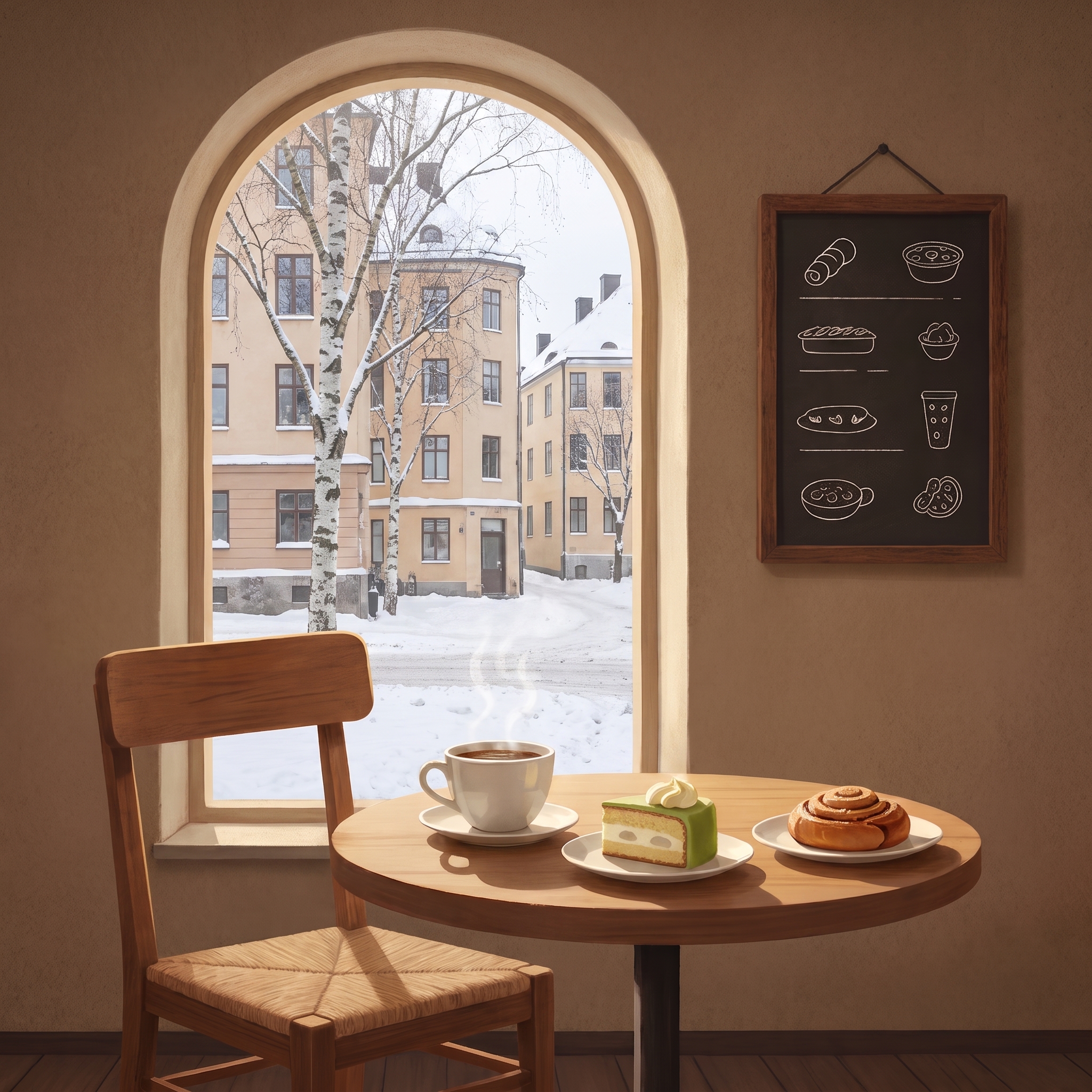
DeutschSpeak's Picture Scenes end with a Say step: you speak the word out loud and on-device speech recognition tells you instantly if it was clear — your voice never leaves your phone. café · das Café
Explore Picture Scenes →A 10-minute daily speaking routine
Two minutes shadowing native audio, three minutes reading your current lesson aloud, three minutes naming objects around you, two minutes recording and comparing. Ten minutes a day does more for your speaking than an hour once a week.
Practise speaking German, hands-free
DeutschSpeak's Say mode and Hands-Free practice check your German pronunciation on-device and give instant feedback. Free to start.
Frequently asked questions
Can I learn to speak German without a tutor?
You can get a long way alone — pronunciation, vocabulary, and confidence with words and short phrases. For fluent conversation and nuance, real interaction eventually helps, but you do not need it to start.
How do I pronounce the German ü and ch?
For ü, shape your lips to say "oo" but try to say "ee" — the tongue is forward, the lips are rounded. The soft ch (as in ich) is a gentle hiss with the tongue near the roof of the mouth, not a hard k. Both come with practice and imitation of native audio.
Does speech recognition actually help with German?
For single words and short phrases, yes — instant, repeatable feedback on whether you were clear is valuable practice, especially for the umlauts. It complements, rather than replaces, speaking with real people.